Cancer Reconstruction Surgery Restoring Function Appearance and Quality of Life
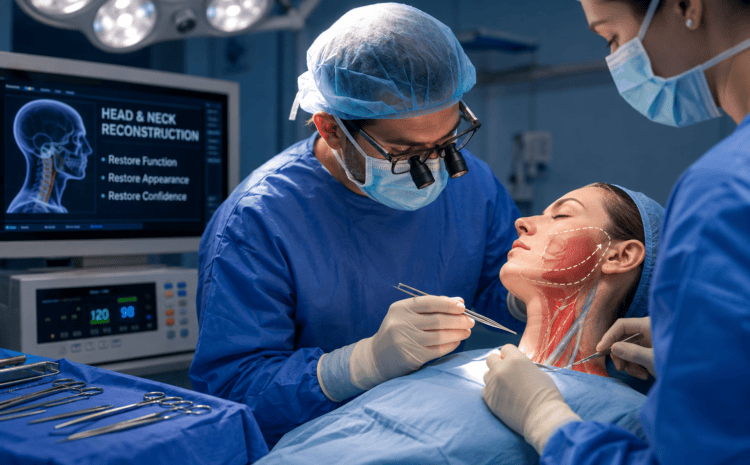
Cancer treatment often involves complex surgical procedures that remove tumors and affected tissues. While these surgeries are essential for eliminating cancer, they can sometimes result in changes to appearance, function, and overall quality of life. Cancer Reconstruction Surgery plays a vital role in helping patients recover physically and emotionally by restoring affected areas and improving daily functioning.
Modern reconstructive techniques have transformed post-cancer care, enabling patients to regain confidence, improve mobility, and return to their normal lives with greater comfort.
What Is Cancer Reconstruction Surgery?
Cancer Reconstruction Surgery is a specialized surgical procedure performed to repair and rebuild tissues, structures, or body parts affected by cancer treatment.
Reconstruction may be required after:
-
Head and neck cancer surgery
-
Oral cancer treatment
-
Skin cancer removal
-
Breast cancer surgery
-
Soft tissue cancer surgery
-
Facial cancer reconstruction
-
Jaw and oral cavity reconstruction
The goal is to restore both function and appearance while supporting long-term recovery.
Why Is Cancer Reconstruction Important?
Cancer treatment focuses on removing disease, but reconstruction focuses on helping patients regain their quality of life.
Benefits of reconstruction include:
-
Improved appearance
-
Better speech and swallowing function
-
Enhanced breathing capability
-
Restoration of facial symmetry
-
Increased confidence and self-esteem
-
Improved physical comfort and mobility
Every patient’s needs are unique, making individualized treatment planning essential.
Who May Need Cancer Reconstruction?
Cancer reconstruction may be recommended for patients who experience:
Tissue Loss After Tumor Removal
Large tumor excisions may leave defects that affect appearance and function.
Facial or Oral Defects
Cancer affecting the face, jaw, tongue, mouth, or throat may require reconstructive procedures to restore normal anatomy.
Skin and Soft Tissue Defects
Patients undergoing skin cancer removal may benefit from reconstruction to improve healing and cosmetic outcomes.
Functional Limitations
Difficulty speaking, chewing, swallowing, or breathing after cancer surgery may be improved through reconstructive techniques.
Common Cancer Reconstruction Techniques
Local Tissue Reconstruction
Healthy nearby tissue is used to repair smaller defects while maintaining a natural appearance.
Skin Grafting
Skin grafts help cover surgical areas and promote healing after cancer removal.
Flap Reconstruction
Flap procedures transfer healthy tissue with its blood supply from one area of the body to another, allowing reconstruction of more complex defects.
Bone Reconstruction
For patients affected by jaw or facial bone loss, reconstructive techniques may help restore facial structure and support essential functions.
Benefits of Modern Cancer Reconstruction
Advancements in reconstructive surgery offer several advantages:
-
Natural-looking results
-
Improved functional recovery
-
Better wound healing
-
Enhanced facial balance
-
Greater emotional well-being
-
Improved quality of life
Modern surgical planning aims to achieve the best possible aesthetic and functional outcomes.
Recovery After Cancer Reconstruction Surgery
Recovery depends on the type and complexity of the reconstruction performed.
Patients are typically advised to:
-
Follow post-operative instructions carefully
-
Attend regular follow-up appointments
-
Maintain good nutrition
-
Avoid tobacco products
-
Follow wound care recommendations
-
Participate in rehabilitation if needed
A structured recovery plan helps support successful healing and long-term results.
Emotional Recovery Matters Too
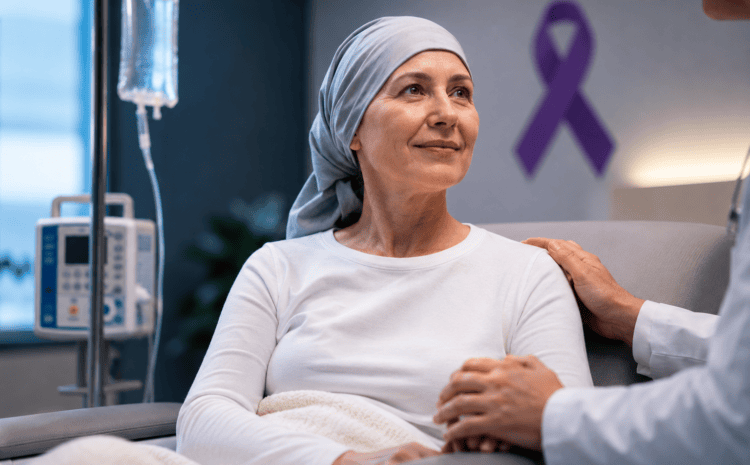
Cancer recovery is not only physical but also emotional. Changes in appearance can affect confidence and self-image. Successful reconstruction often helps patients feel more comfortable, confident, and prepared to return to their personal and professional lives.
Comprehensive care includes both physical restoration and emotional support throughout the recovery journey.
Why Early Reconstruction Planning Is Important
In many cases, reconstructive options can be discussed before cancer surgery. Early planning allows healthcare teams to create a coordinated treatment approach that maximizes both cancer treatment outcomes and reconstructive success.
Patients should discuss reconstruction options with their healthcare provider as early as possible.
Why Choose Dr. Saurabh Garg?
Dr. Saurabh Garg is committed to patient-centered care, focusing on comprehensive evaluation, personalized treatment planning, and evidence-based medical practices. His goal is to help patients achieve the best possible functional and aesthetic outcomes following cancer treatment.
Conclusion
Cancer Reconstruction Surgery is an important part of modern cancer care. By restoring function, appearance, and confidence, reconstruction helps patients move forward after cancer treatment with improved quality of life.
Whether reconstruction is needed after head and neck cancer, oral cancer, skin cancer, or other cancer-related procedures, timely evaluation and expert care can make a significant difference in recovery and long-term well-being.
Frequently Asked Questions (FAQs)
What is Cancer Reconstruction Surgery?
Cancer reconstruction surgery helps repair and restore tissues or structures affected by cancer treatment or tumor removal.
Is reconstruction performed immediately after cancer surgery?
In some cases, reconstruction can be performed during the same surgery, while in others it may be scheduled at a later stage depending on the patient’s condition.
Does reconstruction improve quality of life?
Yes. Reconstruction can help improve appearance, restore function, and boost confidence after cancer treatment.
How long does recovery take?
Recovery varies based on the type of reconstruction, overall health, and individual healing factors.
Target SEO Keywords
Cancer Reconstruction Surgery, Cancer Reconstruction Treatment, Post Cancer Reconstruction, Reconstructive Cancer Care, Head and Neck Cancer Reconstruction, Oral Cancer Reconstruction, Facial Reconstruction Surgery, Skin Cancer Reconstruction, Reconstructive Surgery After Cancer, Dr Saurabh Garg.