Hair Restoration: Effective Solutions for Hair Loss and Hair Regrowth
Hair loss is a common concern affecting both men and women of all ages. While losing a few strands of hair daily is normal, excessive hair fall can impact confidence, appearance, and emotional well-being. Fortunately, advances in modern healthcare have made hair restoration more effective than ever before.
If you are experiencing thinning hair, a receding hairline, or noticeable hair loss, understanding the available treatment options can help you take the first step toward healthier and fuller-looking hair.
Understanding Hair Loss
Hair loss can occur for several reasons, and identifying the underlying cause is essential for selecting the most effective treatment.
Common causes of hair loss include:
-
Genetic or hereditary factors
-
Hormonal changes
-
Nutritional deficiencies
-
Stress and lifestyle factors
-
Thyroid disorders
-
Certain medications
-
Scalp infections
-
Aging-related hair thinning
Early evaluation can help prevent further hair loss and improve treatment outcomes.
What Is Hair Restoration?
Hair restoration refers to medical and procedural treatments designed to slow hair loss, stimulate hair growth, and restore hair density. The goal is to improve the appearance of thinning areas while supporting healthy hair growth.
Modern hair restoration treatments are customized according to the patient’s age, hair condition, medical history, and extent of hair loss.
Signs You May Need Hair Restoration Treatment
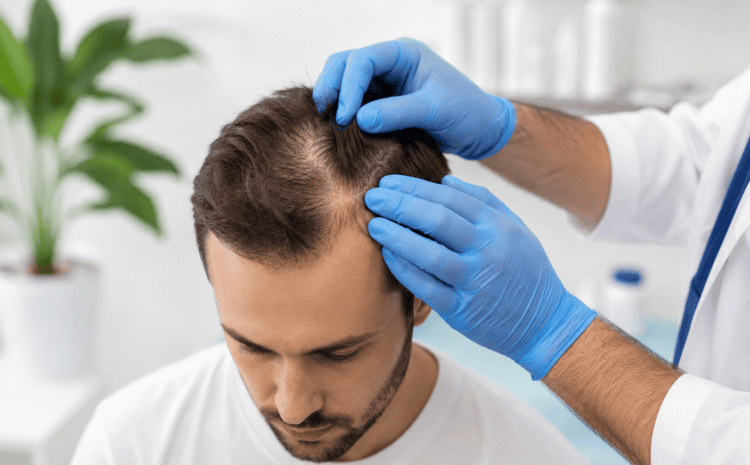
You should consider consulting a healthcare professional if you notice:
-
Excessive hair shedding
-
Widening hair part
-
Receding hairline
-
Thinning crown area
-
Bald patches
-
Reduced hair volume
-
Slow hair regrowth
Early intervention often leads to better and more successful results.
Popular Hair Restoration Options
1. Medical Management
Many patients benefit from medications and nutritional support designed to reduce hair fall and encourage hair regrowth.
Treatment may include:
-
Hair growth medications
-
Vitamin and mineral supplementation
-
Hormonal evaluation and correction
-
Treatment of underlying medical conditions
2. PRP Therapy for Hair Loss
Platelet-Rich Plasma (PRP) therapy has become a popular non-surgical hair restoration option.
In this procedure:
-
A small sample of the patient’s blood is collected.
-
Platelet-rich plasma is separated and prepared.
-
The plasma is injected into targeted scalp areas.
PRP may help stimulate hair follicles and improve hair thickness in suitable candidates.
3. Scalp Health Management
Healthy hair begins with a healthy scalp. Treating dandruff, fungal infections, inflammation, and other scalp conditions can improve hair growth and overall hair quality.
4. Hair Transplant Procedures
For advanced hair loss, hair transplant procedures may offer long-term improvement. During a transplant, healthy hair follicles are moved from donor areas to thinning or bald regions.
Patients considering a hair transplant should undergo a detailed medical evaluation to determine suitability.
Benefits of Hair Restoration
Hair restoration treatments can provide several benefits:
-
Improved hair density
-
Reduced hair fall
-
Better scalp health
-
Enhanced appearance
-
Increased self-confidence
-
Natural-looking results when appropriately planned
Results vary depending on individual factors and treatment methods.
Lifestyle Tips to Support Healthy Hair Growth
In addition to medical treatment, healthy lifestyle habits play a major role in maintaining strong and healthy hair.
Eat a Nutrient-Rich Diet
Include foods rich in:
-
Protein
-
Iron
-
Zinc
-
Biotin
-
Vitamins A, C, D, and E
Manage Stress
Chronic stress can contribute to hair fall. Activities such as yoga, meditation, and regular exercise may help reduce stress-related hair loss.
Avoid Excessive Heat and Chemical Treatments
Frequent use of harsh hair products, heat styling tools, and chemical treatments may damage hair and worsen thinning.
Get Regular Health Checkups
Underlying conditions such as thyroid disorders, anemia, and nutritional deficiencies can contribute to hair loss. Routine medical evaluations help identify and address these issues early.
Why Early Treatment Matters
Many people delay seeking treatment until hair loss becomes severe. However, hair restoration treatments are often most effective when started early. Timely diagnosis can help preserve existing hair follicles and improve long-term outcomes.
Hair Restoration Consultation in Lucknow
If you are experiencing hair thinning, excessive hair fall, or baldness, professional evaluation is the first step toward finding the right solution. A personalized treatment plan based on your specific condition can significantly improve results and help restore confidence.
Conclusion
Hair loss can be challenging, but modern hair restoration treatments offer effective solutions for many individuals. Whether the cause is genetic, hormonal, nutritional, or lifestyle-related, early diagnosis and appropriate treatment can make a meaningful difference.
If you are looking for guidance on hair restoration and hair loss management in Lucknow, consult a qualified healthcare professional to explore the most suitable options for your needs.
About Dr. Saurabh Garg
Dr. Saurabh Garg is dedicated to providing patient-focused healthcare with an emphasis on preventive care, wellness, and evidence-based treatment solutions. Through comprehensive evaluation and personalized care, he helps patients address hair loss concerns and improve overall health and confidence.
Frequently Asked Questions (FAQs)
Is hair restoration permanent?
Results depend on the cause of hair loss and the treatment selected. Some treatments require ongoing maintenance, while hair transplant procedures may provide long-term results.
Who is a good candidate for hair restoration?
Individuals experiencing hair thinning, pattern baldness, or excessive hair loss may benefit from a professional evaluation to determine suitable treatment options.
How soon can I see results?
Hair growth is a gradual process. Visible improvements often take several months, depending on the treatment plan and individual response.
Can hair loss be prevented?
While not all hair loss can be prevented, maintaining a healthy lifestyle, managing stress, and addressing medical conditions early can help reduce the risk of excessive hair loss.